Why Use Owner-Operated Towing Services
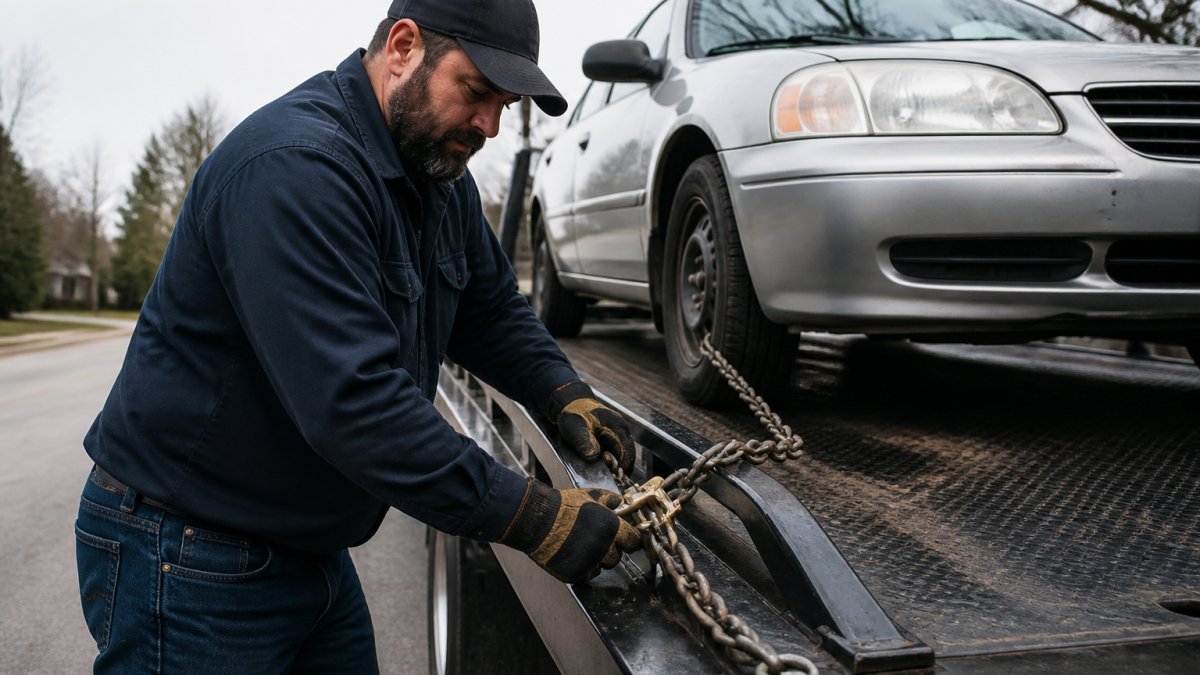
Table of Contents
- What Owner-Operated Towing Services Actually Mean
- Direct Communication and Honest Response Times
- Towing Company Insurance and Liability Protection
- Flatbed Towing Service for Specialized Vehicle Needs
- Questions to Ask a Towing Company Before You Book
- Towing Service Response Time and Availability
- Accountability and Transparent Pricing
- Towing Service Response Time and Availability
- Frequently Asked Questions
Last Updated: October 19, 2026
What Owner-Operated Towing Services Actually Mean
Owner-operated towing services are businesses run by a single operator who owns and drives the tow truck themselves. When you call, you reach the owner directly. That same person arrives to help you. There's no dispatch center, no subcontractors, no waiting for someone else to pick up your call.
This model differs fundamentally from fleet-based operations. Large towing companies manage multiple trucks across a region. Calls go to a dispatch center. A dispatcher assigns your job to whoever is available. You might speak with three different people before a truck arrives. With an owner-operated service, direct communication means honest ETAs and accountability that doesn't get lost between layers.
At Kaygold Towing service, this is how we operate. You call us. We answer. We show up. No middleman, no surprises.
The distinction matters because it changes how the business responds to emergencies. An owner-operator's reputation depends entirely on their own performance. They can't blame another driver or a dispatch error. They can't hide behind a corporate structure. That accountability shows up in faster response times and more honest communication about what to expect.
Direct Communication and Honest Response Times
When you need a tow, you need to know when help arrives. Owner-operated services give you direct contact with the person actually coming to assist you.
Call an owner-operator and you reach the owner. Ask them how long they'll be. They know exactly where they are, what traffic looks like, and whether they're already on another call.
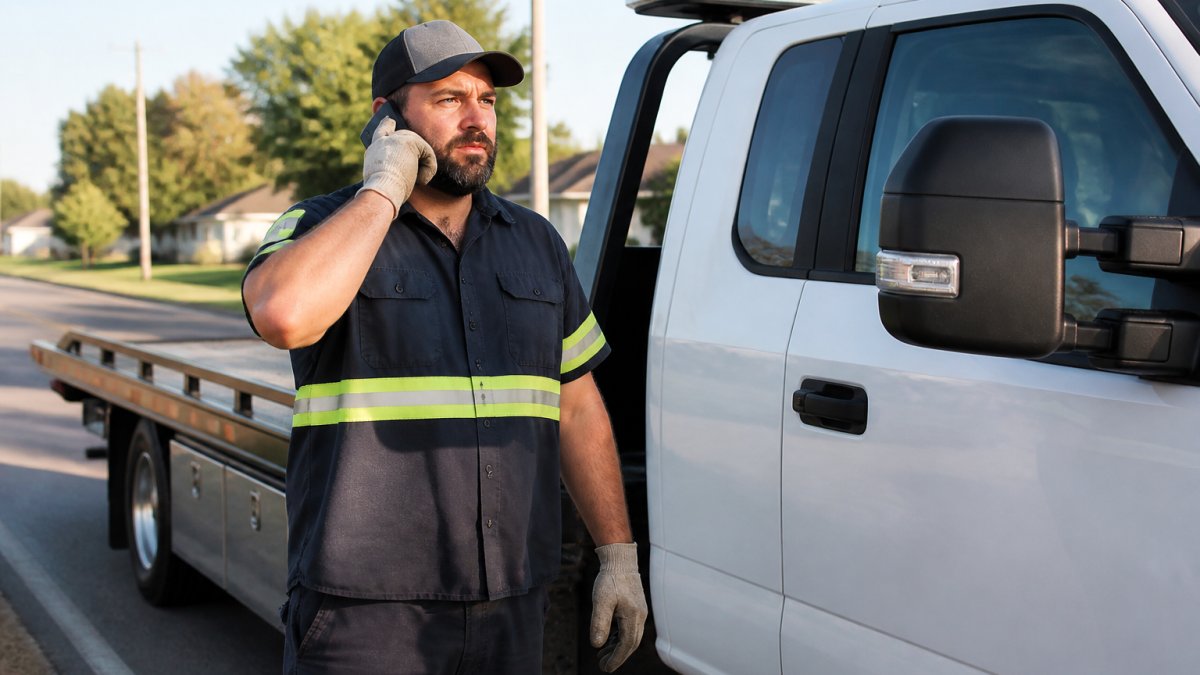
Dispatch centers work differently. They take your call, log your location, and radio the nearest available driver. That driver might not know the area well. They might be finishing another job. The dispatcher relays information through radio, which introduces delays and miscommunication.
Owner-operators eliminate these gaps. They know their service area. They know the roads, the traffic patterns, and the weather conditions. They communicate directly with you about delays or changes. If they're running behind, they call to update you.
This directness reduces the anxiety of a breakdown. You're not wondering if your call got through correctly. You're not sitting on the side of the road checking your phone every two minutes. You know exactly who is coming and roughly when they'll arrive.
Towing Company Insurance and Liability Protection
Choosing an insured, legitimate towing service protects you from liability if something goes wrong. A vehicle on a tow truck can be damaged. If the operator isn't properly insured, you could be responsible for repairs.
Before booking any tow, verify the company's credentials. Ask for proof of DOT registration. Request their insurance information. A legitimate operator will provide this without hesitation. They carry liability insurance specifically to protect both themselves and customers.
Owner-operated services should carry the same insurance as larger companies. The difference is transparency. An owner-operator can show you their insurance certificate directly. They can explain their coverage limits and what they protect.
Kaygold Towing service is DOT registered with full insurance coverage. We provide documentation to customers who request it. This protects you if your vehicle is damaged during transport. It also protects us from claims we can't cover.
When a vehicle is towed, several things can go wrong. The flatbed can be positioned incorrectly. Straps can slip. The truck can hit a pothole and jolt the vehicle. Without insurance, you pay for repairs out of pocket. With proper coverage, the towing company's insurance handles the claim.
Ask any owner-operator these questions about towing company insurance and liability:
- Are you DOT registered?
- What is your liability coverage limit?
- Do you carry cargo coverage for vehicles being transported?
- Can you provide proof of current insurance?
A hesitant answer to any of these is a red flag. Legitimate operators answer quickly because they're proud of their credentials.
Flatbed Towing Service for Specialized Vehicle Needs
Some vehicles need flatbed towing. Low-clearance cars, luxury vehicles, and all-wheel-drive vehicles can be damaged by traditional wheel-lift towing. A flatbed towing service lifts the entire vehicle onto a flat platform. All four wheels are off the ground. No dragging. No suspension damage.
Owner-operators often specialize in flatbed towing because they build their business around specific needs. They invest in equipment that matches their market. If they serve an area with many luxury cars or lowered sports cars, they buy a flatbed truck. They know how to position vehicles safely. They understand weight distribution and how to secure different vehicle types.
Larger fleets have mixed equipment. Some trucks are wheel-lifts. Some are flatbeds. When you call a dispatch center, you get whatever is available. You might request a flatbed and receive a wheel-lift truck because the flatbed is busy. Now your low-clearance car is at risk.
With an owner-operator, you know what equipment you're getting. They tell you upfront what their truck can do. If your vehicle needs flatbed service and they have a wheel-lift, they'll tell you. They won't risk your vehicle to make a quick dollar.
Flatbed towing service is also safer in bad weather. A vehicle secured to a flatbed doesn't slide or shift during transport. In rain, snow, or ice, flatbed transport is more stable than wheel-lift towing. Owner-operators who understand this invest accordingly.
Questions to Ask a Towing Company Before You Book
Before you need emergency towing, identify a reliable operator. Ask these questions when you call:
- Are you owner-operated or part of a larger dispatch service?
- How quickly can you typically respond to calls in my area?
- Do you have DOT registration and current insurance?
- What types of vehicles can you tow safely?
- Do you offer flatbed towing?
- What is your pricing structure and do you provide estimates upfront?
- Are you available 24/7?
- If you're already on a call, what happens to my request?
- Do you handle specialty services like winch-outs or recovery?
- Can you provide references or customer reviews?
An owner-operator answers these directly. They know their capabilities and limitations. They don't need to check with management or a dispatcher. They give you honest answers about what they can do and how long it will take.
Pay attention to how they communicate. Do they seem rushed? Do they answer questions thoroughly? Do they explain their services clearly? The way they answer these questions is how they'll communicate with you during an actual emergency.
Towing Service Response Time and Availability
Response time is critical during a breakdown. You're stranded, possibly in bad weather or unsafe conditions. You need help quickly.
Owner-operators typically offer faster response times than dispatch-based services. They answer their own phones immediately. They don't need to wait for a dispatcher to assign the job. They head toward you as soon as you confirm your location.
Response time varies by location and current workload. An owner-operator already on a call will finish that job before reaching you. But they'll give you an honest ETA instead of an optimistic guess that disappoints you.
Availability matters equally. Some operators work set hours. Others operate 24/7. If you break down at 2 AM, you need a service that actually answers the phone at 2 AM. Owner-operators often run around-the-clock because they're the sole operator.
Kaygold Towing service operates 24/7/365. We answer calls at 2 AM the same way we answer at 2 PM. You reach the owner directly. You get an honest ETA. We show up.
Dispatch-based services often have limited after-hours availability. They might have one operator covering nights. That operator might be busy. Your call goes into a queue. You wait hours for help.
When choosing a towing service, ask about their typical response time. In your area, what's the average wait? What's the longest they've seen?
Accountability and Transparent Pricing
Transparent pricing prevents surprises when the bill arrives. Some towing companies quote one price on the phone, then add fees when they arrive. Hook-up fees. Mileage fees. Equipment fees. The bill ends up double what you expected.
Owner-operated services typically have straightforward pricing. They quote a base rate for towing. They explain any additional charges upfront. If you ask about pricing before booking, they give you a number you can rely on.
Accountability means the owner stands behind their pricing. If they quote you a price and something changes, they call to discuss it before adding charges. They don't surprise you with a bill that's wildly higher than the estimate.
Larger companies sometimes use pricing as a negotiation tool. They quote high on the phone, knowing customers will negotiate down. Or they quote low to get the job, then add fees. An owner-operator has less flexibility to play these games.
Ask for a price estimate before booking. Get it in writing if possible. Confirm what that price includes. Does it cover hook-up? Transport to a specific location? If you need services beyond basic towing, ask how those are priced.
Kaygold Towing service provides transparent pricing. We quote a rate. We explain what's included. We don't add surprise fees. If circumstances change during the tow, we discuss it with you before proceeding.
| Pricing Factor | What to Ask | What to Expect |
|---|---|---|
| Base towing rate | What's your standard charge per tow? | Clear answer with distance included |
| Hook-up fees | Is hook-up included in the base rate? | Should be included or clearly stated |
| Mileage | How is distance charged? | Either included or stated as per-mile rate |
| Specialty services | What's the cost for flatbed or winch-out? | Higher rate with clear explanation |
| After-hours premium | Do you charge extra for 2 AM calls? | Some do; should be disclosed upfront |
Towing Service Response Time and Availability
Response time separates reliable services from unreliable ones. During a breakdown, every minute matters.
Owner-operators typically respond faster than dispatch centers. They answer their phone immediately. They don't wait for a dispatcher to assign the call. They head your direction as soon as you provide your location.
The key difference is accountability. An owner-operator's response time is their response time. They can't blame a dispatcher or another driver. They can't say the call didn't come through clearly. They either get to you quickly or they don't.
Availability also matters. If you break down at 11 PM or 3 AM, you need a service that actually operates those hours. Many dispatch-based services have limited night coverage. Owner-operators often run 24/7 because they are the business.
Kaygold Towing service operates 24/7/365. We answer calls at any hour. You reach the owner directly. You get an honest ETA. We show up when we say we will.
When choosing a towing service, ask:
- What's your average response time?
- Are you available at 2 AM?
- If you're on another call, what happens to mine?
- How do you handle multiple requests at once?
An owner-operator gives you honest answers. They might say, "If I'm already helping someone, you'll wait. But I'll call you with a real ETA." A dispatch center might promise 15 minutes knowing it'll be an hour.
Breakdowns happen when you least expect them. You need help you can trust. Owner-operated towing services like Kaygold Towing service provide direct communication, honest response times, and accountability that dispatch centers can't match. We answer your call. We show up.
Frequently Asked Questions
What are the benefits of using an owner-operated towing service?
Owner-operated towing services provide direct communication with the same professional throughout your emergency, transparent pricing without hidden fees, and accountability that larger fleets cannot match. You speak directly to the operator, receive honest arrival estimates, and deal with someone who has a personal stake in your satisfaction and their reputation.
How can I check whether a towing company is insured?
Ask the towing company for proof of liability insurance before booking. Verify their DOT registration number (available through the Federal Motor Carrier Safety Administration database) and confirm their insurance is active. Legitimate owner-operated towing services will provide this information immediately and proudly. Never hand over your vehicle to an uninsured operator, as you could face liability if damage occurs during transport.
How long does it usually take for a tow truck to arrive?
Response times depend on current availability and distance, but an independent operator can often provide you with a specific, honest ETA when you call. Ask the operator for their expected arrival time and service area coverage when you book.
What should I ask a towing company before agreeing to a tow?
Ask about their DOT registration and insurance coverage, whether they handle your vehicle type (especially if it's low-clearance or luxury), their response time estimate, their pricing structure and any upfront fees, their service area, and whether they use flatbed towing if needed. Confirm they'll communicate directly with you throughout the process and ask about their experience with your specific situation, such as off-road recovery or accident transport.