Why Private Tow Trucks Are Better for Drivers
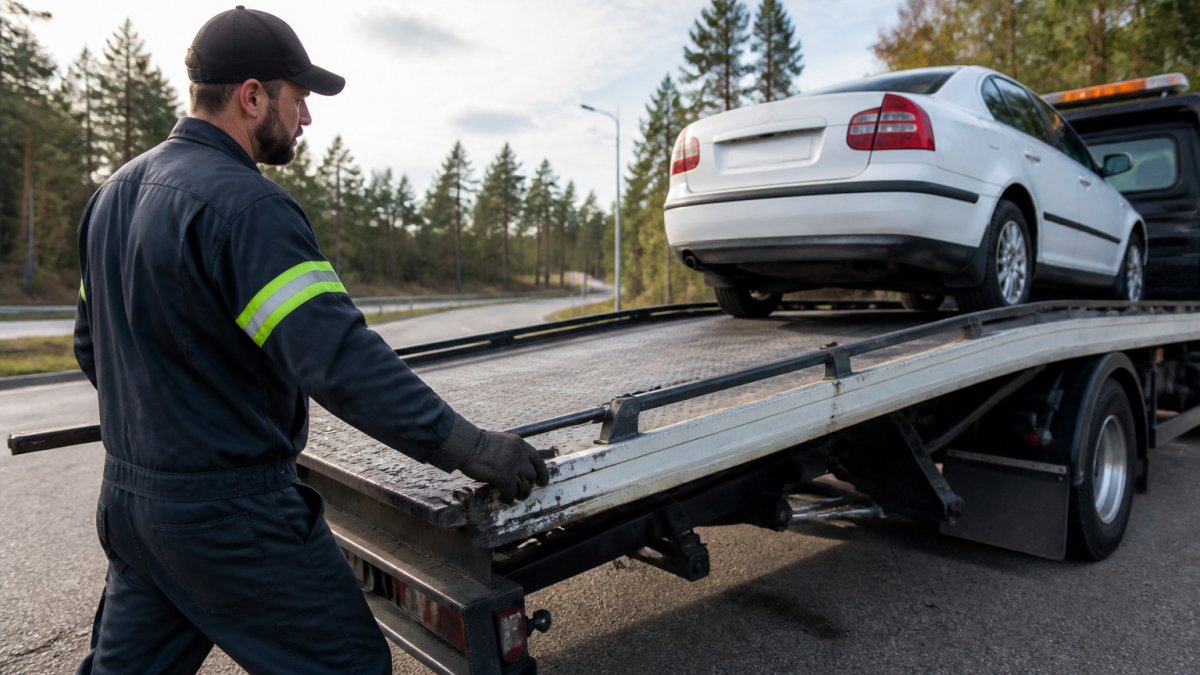
Table of Contents
- Why Private Tow Trucks Are Better Than Dispatch-Based Services
- Flatbed Towing Benefits for Low-Clearance and Luxury Vehicles
- How to Choose a Reliable Towing Company
- Questions to Ask a Towing Company Before You Commit
- Towing Company Insurance and Liability: What You Need to Know
- When Private Tow Trucks Make the Biggest Difference
- Frequently Asked Questions
Last Updated: October 9, 2026
Why Private Tow Trucks Are Better Than Dispatch-Based Services
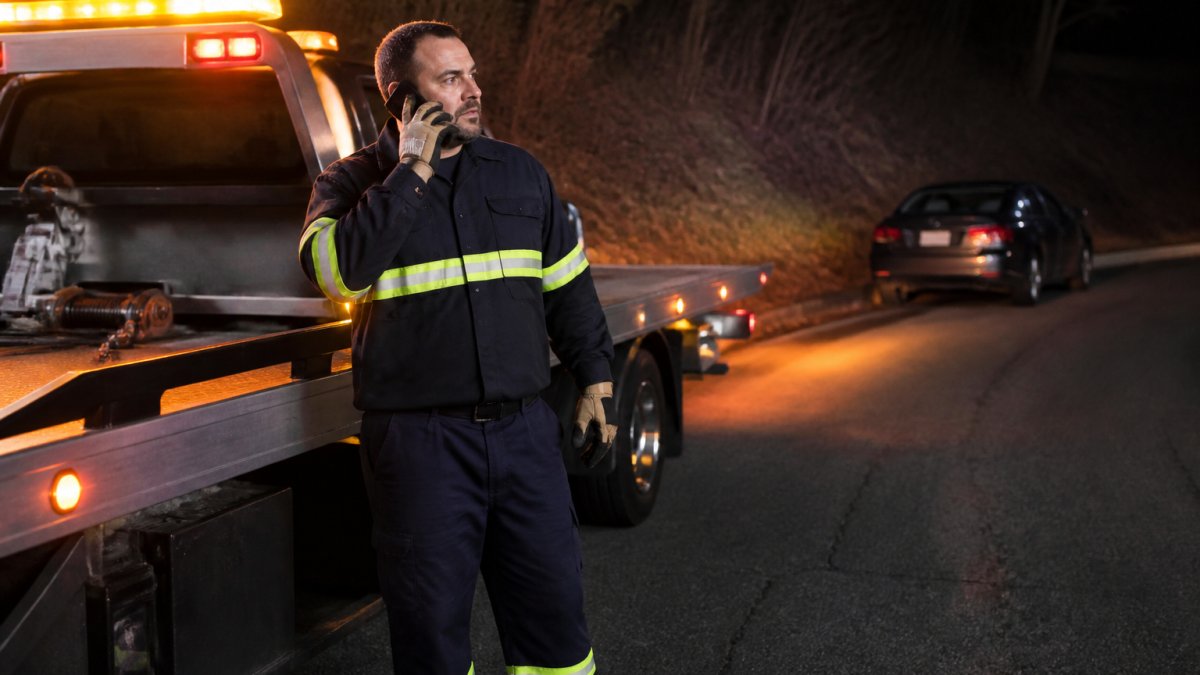
When your car dies on the shoulder of I-75 at 11 p.m., the last thing you want is a call center reading from a script. That is the core reason why private tow trucks are better for most drivers: you talk to the person who is actually coming to get you. At Kaygold Towing service, we built our whole operation around that idea. One owner-operator, one truck, one phone number, and a real human on the other end every time.
Dispatch-based services work differently. Your call goes to a broker who then hunts for an available driver, often a subcontractor with no stake in your vehicle or your timeline. You get a vague ETA, a markup, and no accountability. A private tow truck removes every one of those layers.
The difference shows up in three places:
- Response time. A private operator knows their own schedule and can give you an honest arrival window.
- Communication. You speak with the driver, not a dispatcher relaying messages.
- Accountability. The person who answers the phone is the person who shows up.
That last point matters more than most drivers realize until something goes wrong and nobody will take responsibility.
Flatbed Towing Benefits for Low-Clearance and Luxury Vehicles
Flatbed towing is the safest transport method for low-clearance cars, luxury vehicles, and anything that cannot roll on its own. Instead of dragging two wheels along the road, a flatbed lifts all four wheels onto a single platform. Nothing touches the pavement but the deck.
How Flatbed Transport Protects Your Vehicle
A lowered sports car or a sedan with a low front air dam can be damaged by a traditional wheel-lift truck. The angles involved in lifting the front end put stress on the bumper, suspension, and undercarriage. Flatbed transport avoids that entirely because the vehicle is winched up a gentle incline and secured flat.
For all-wheel-drive and luxury models, the stakes are higher. Towing one axle while the other spins can damage the drivetrain. A flatbed keeps all four wheels stationary, which is why manufacturers of these vehicles generally recommend flatbed transport when a tow is needed. If you want to understand the manufacturer's own guidance, check your owner's manual or the NHTSA vehicle safety resources for general towing safety information.
What most guides miss is the condition of the deck itself. A worn-out flatbed with damaged rails or a bent ramp can scrape a low bumper on the way up. Ask what equipment will arrive before you commit.
How to Choose a Reliable Towing Company
Learning how to choose a reliable towing company comes down to three checks: verified insurance, clear communication, and a driver willing to answer questions before you commit. Do those three things and you filter out most of the problems before they start.
Start with a simple process:
- Ask who is coming. A private operator can tell you directly. A dispatch service often cannot.
- Confirm insurance. Ask for the carrier name and policy details. Legitimate operators share this without hesitation.
- Get the ETA in writing. A text message with an arrival window gives you something to hold them to.
- Ask about equipment. For a low-clearance vehicle, confirm a flatbed is available.
- Check the paperwork. A DOT number and a business name should match what you were told.
This is the part most drivers skip, and it is where the problems start. A company that cannot answer basic questions on the first call will not answer them when something goes wrong.
Questions to Ask a Towing Company Before You Commit
The right questions to ask a towing company take about 60 seconds and can save you hours of frustration. Ask them before you agree to anything, not after the truck is hooked up.
Here are the ones that matter most:
- Are you the driver, or are you dispatching someone else?
- What is your DOT number and who is your insurance carrier?
- Do you have a flatbed available for my vehicle type?
- What is your arrival window, and will you text it to me?
- Do you handle winch-outs and off-road recovery?
If the answers are vague, that tells you something. A straightforward operator will answer all five without hesitating.
Red Flags That Signal Trouble
A few warning signs should end the conversation immediately:
- No DOT number or insurance details. Any legitimate operation carries both.
- A price quoted before the driver sees the vehicle. Real pricing depends on distance, vehicle type, and recovery difficulty.
- Pressure to pay upfront in cash. This is a common pattern with unlicensed operators.
- No physical business presence. A name and a phone number with nothing behind them is a risk.
- Refusal to give an ETA. If they will not commit to a window, they cannot be held to one.
Any one of these is reason enough to call someone else.
Towing Company Insurance and Liability: What You Need to Know
Towing company insurance and liability is the single most overlooked part of hiring a tow, and it is the one that can cost you the most if it goes wrong. If an uninsured operator damages your vehicle, you may end up filing a claim on your own policy and paying the deductible yourself.
Here is how the responsibility typically breaks down:
| Party | Responsibility | What to Verify |
|---|---|---|
| Towing company | Damage caused during the tow | Active liability coverage, carrier name |
| Vehicle owner | Confirming coverage before the tow | DOT number, insurance certificate |
| Insurance provider | Claims after an incident | Whether your policy covers tow damage |
The practical step is simple: ask for the insurance carrier before the truck arrives. A registered, insured operator will provide it without pushback. You can also verify a carrier's standing through your state's department of insurance or the Federal Motor Carrier Safety Administration for commercial carrier registration.
What most drivers do not realize is that a subcontractor dispatched through a broker may carry different coverage than the company you originally called. That gap is exactly where disputes begin.
When Private Tow Trucks Make the Biggest Difference
Private tow trucks make the biggest difference in situations where timing and care both matter. A small delivery fleet with a vehicle down mid-route cannot afford a two-hour wait while a dispatcher searches for an available driver. A lowered sports car cannot afford a wheel-lift truck showing up instead of a flatbed.
The scenarios where the gap is widest:
- Late-night breakdowns. You want a live person, not a queue.
- Low-clearance or luxury vehicles. You need the right equipment, confirmed in advance.
- Fleet vehicles. Downtime has a direct cost, and a clear ETA protects your schedule.
- Off-road recovery. Winch-outs require a driver who knows the terrain and has the gear.
- Accident recovery. Accountability and insurance matter most when there is damage involved.
One honest limitation: a single-truck operation can only be in one place at a time. If the operator is already on another call, you may wait. The trade-off is that when they do arrive, you know exactly who you are dealing with and what to expect. For most drivers, that certainty is worth more than the theoretical speed of a large dispatch network.
Breakdowns never happen at a convenient time, and the company you call should not add to the stress. Kaygold Towing service is owner-operated, DOT registered, and fully insured, so the person who answers your call is the same professional who arrives to help. We handle flatbed transport for low-clearance and luxury vehicles, plus jump starts, fuel delivery, and winch-outs, all with direct communication and honest ETAs. Get started with Kaygold Towing service and get a straight answer the first time you call.
Frequently Asked Questions
What are the benefits of hiring a private tow truck over a dispatch service?
Private tow trucks offer direct communication with the operator, faster response times, and consistent service because the same person you call is the one who shows up. Dispatch-based services route your call through a queue and may send subcontractors you have never spoken to. With a private operator, you get honest ETAs, accountability, and a driver who knows your vehicle's needs before arriving on scene.
How can I tell if a towing company is insured?
Ask for their DOT registration number and proof of insurance before they hook up your vehicle. A legitimate towing company will provide this without hesitation. You can verify DOT registration through the FMCSA database. If a company dodges the question or cannot produce documentation, that is a serious red flag. Towing company insurance and liability coverage protects you if your vehicle is damaged during transport.
When should I request a flatbed tow truck instead of a wheel-lift?
Request a flatbed for low-clearance sports cars, luxury vehicles, all-wheel-drive cars, and any vehicle that is not running or has damaged suspension. Flatbed towing benefits include zero ground contact for your wheels, which prevents drivetrain damage and scraping. For standard vehicles in good condition, a wheel-lift may work, but flatbed transport is always the safer choice for specialized vehicles.
What should I ask a towing company before it arrives?
Ask four things: Are you DOT registered and insured? How long until you arrive? Do you have the right equipment for my vehicle type? These questions to ask a towing company help you avoid surprise charges, damage claims, and long waits. A transparent operator will answer all three without pressure or vague language.